Timing Is Everything: Navigating Seasonal Demand Shifts to Build Year-Round Income Stability
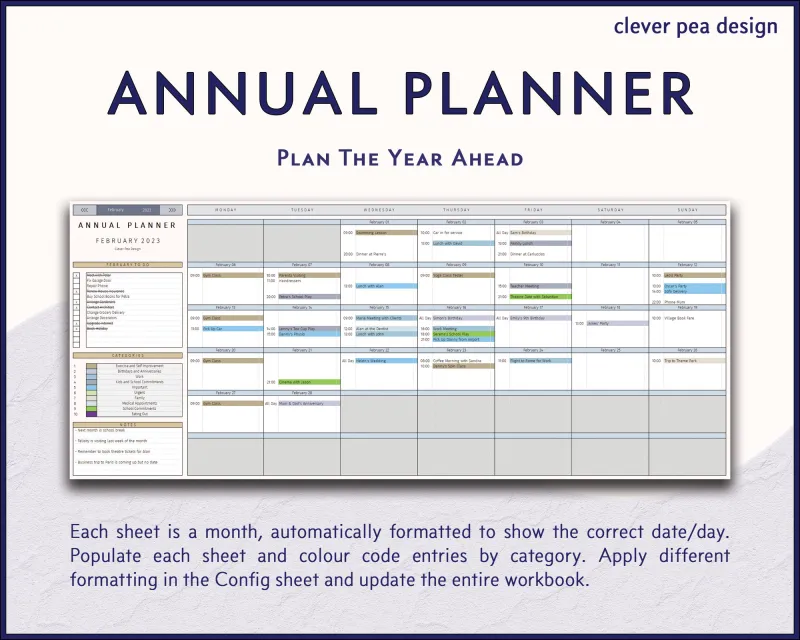
Photo: annual planning calendar business strategy seasonal chart professional desk, via i.etsystatic.com
America is a nation shaped by movement. Its highways, once celebrated along the iconic Route 66 corridor, carried generations of travelers in search of leisure, connection, and experience. That tradition of purposeful travel — driven by seasons, celebrations, and the rhythms of work and rest — continues to animate the adult services industry today. For independent professionals, understanding how these cycles operate across different US markets is not merely academic; it is a strategic imperative.
The Seasonal Architecture of American Demand
At its broadest level, adult services demand in the United States follows a pattern familiar to hospitality, tourism, and entertainment industries: elevated activity during periods of increased travel and leisure, and relative contraction during slower months. But within that general framework lies a rich complexity of regional variation, event-driven spikes, and demographic nuance.
The calendar year can be loosely segmented into distinct demand phases:
Peak Season (Late Spring through Early Fall): From roughly May through September, leisure travel across the US reaches its annual apex. Coastal markets — Miami, Los Angeles, New York, and Las Vegas — draw visitors from across the country and internationally. Convention activity intensifies in cities such as Chicago, Atlanta, and Houston. This period typically represents the highest sustained demand window for professionals in most major markets.
Holiday Surge Windows: Several discrete periods throughout the year generate concentrated demand spikes independent of the broader summer pattern. The weeks surrounding major holidays — particularly New Year's Eve, Valentine's Day, and the Thanksgiving travel period — consistently produce elevated inquiry volumes in urban markets. In cities with significant convention infrastructure, major industry trade shows and conferences can generate demand surges that rival summer peaks.
Shoulder Seasons (Spring and Fall): March through April and October through November occupy a middle ground. Business travel, which drives significant adult services activity in markets like Washington D.C., Dallas, and San Francisco, often maintains stronger consistency during these periods than leisure-driven demand. Professionals who understand the distinction between leisure and business travel patterns can calibrate their positioning accordingly.
Slower Periods (January, February, and Mid-Summer Gaps): January is widely recognized as the slowest month across most service industries, and adult services is no exception. The post-holiday financial contraction, combined with reduced travel, creates a measurable dip in activity. Strategic planning for this period is among the most important financial decisions an independent professional can make.
Regional Market Variation: Not All Slowdowns Are Equal
One of the more consequential insights for professionals operating in the US market is that seasonal patterns do not apply uniformly across geographies. Understanding the specific character of one's primary market — and secondary markets within reasonable travel range — allows for more precise planning.
In Las Vegas, demand operates somewhat differently than in most cities. The entertainment-driven economy sustains elevated activity through much of the year, with notable spikes tied to major sporting events, music festivals, and the city's perpetual convention calendar. The Super Bowl, when hosted in or near Las Vegas, has historically generated extraordinary short-term demand.
New York City benefits from a relatively diversified demand base — financial industry activity, fashion weeks, international tourism, and a dense local population combine to moderate seasonal swings more than in smaller markets. Even so, the summer months and the December holiday period represent measurable peaks.
Southern markets such as Miami, New Orleans, and Nashville follow event-driven patterns with particular intensity. Mardi Gras, Music City's bachelorette party economy, and Miami's Art Basel and Ultra Music Festival periods create demand concentrations that professionals in those markets can anticipate with considerable precision.
Mountain and ski resort markets — including Denver, Salt Lake City, and Aspen-adjacent communities — experience winter peaks that invert the national pattern, driven by affluent leisure travelers during ski season.
Strategic Responses: Planning Across the Calendar
Understanding seasonal rhythms is the analytical foundation; acting on that understanding is where professional differentiation occurs.
Advance marketing intensification. In the six to eight weeks preceding a known peak period, professionals should increase their visibility across relevant platforms, refresh their listings with updated content, and consider targeted outreach to established clients. The goal is to capture bookings before the competitive intensity of peak season fully materializes.
Rate strategy by season. Peak demand periods justify premium pricing — a principle universally applied in hospitality, air travel, and entertainment. Professionals who maintain flat rates year-round leave revenue on the table during high-demand windows and may undercut their positioning during slower periods when competitive pressure increases.
Building a client retention infrastructure. Consistent communication with established clients — through professional newsletters, platform messaging, or other appropriate channels — helps sustain engagement during slower periods. A client who feels a genuine professional connection is more likely to schedule during an off-peak month than one who only hears from a provider when demand is already high.
Geographic flexibility. Professionals with the capacity to travel should map the seasonal peaks of adjacent markets and consider strategic short-term relocations. A professional based in a slower market during January might find significantly stronger demand in a major convention city during the same period.
Financial reserve discipline. Perhaps the most durable strategy for managing seasonal income variation is the disciplined accumulation of reserves during peak earning periods. Setting aside a structured percentage of peak-season income — analogous to the quarterly tax savings practices discussed in broader financial planning contexts — provides a meaningful buffer during slower months and reduces the pressure to accept arrangements that fall below professional standards.
The Longer View: Seasonal Patterns as a Planning Horizon
The professionals who build the most durable and stable practices in the adult services industry are, almost without exception, those who think beyond the immediate transaction and toward the longer arc of their business cycle. Seasonal demand analysis is one expression of that longer view — it transforms unpredictable-seeming fluctuations into navigable patterns.
America's culture of travel and leisure, which has animated everything from the golden age of Route 66 to the modern festival economy, will continue to create demand rhythms that reward those who understand them. For independent professionals committed to building sustainable practices, that understanding is among the most valuable tools available.