From Roadside Rendezvous to Digital Destinations: How Route 66 Forged America's Culture of Connection
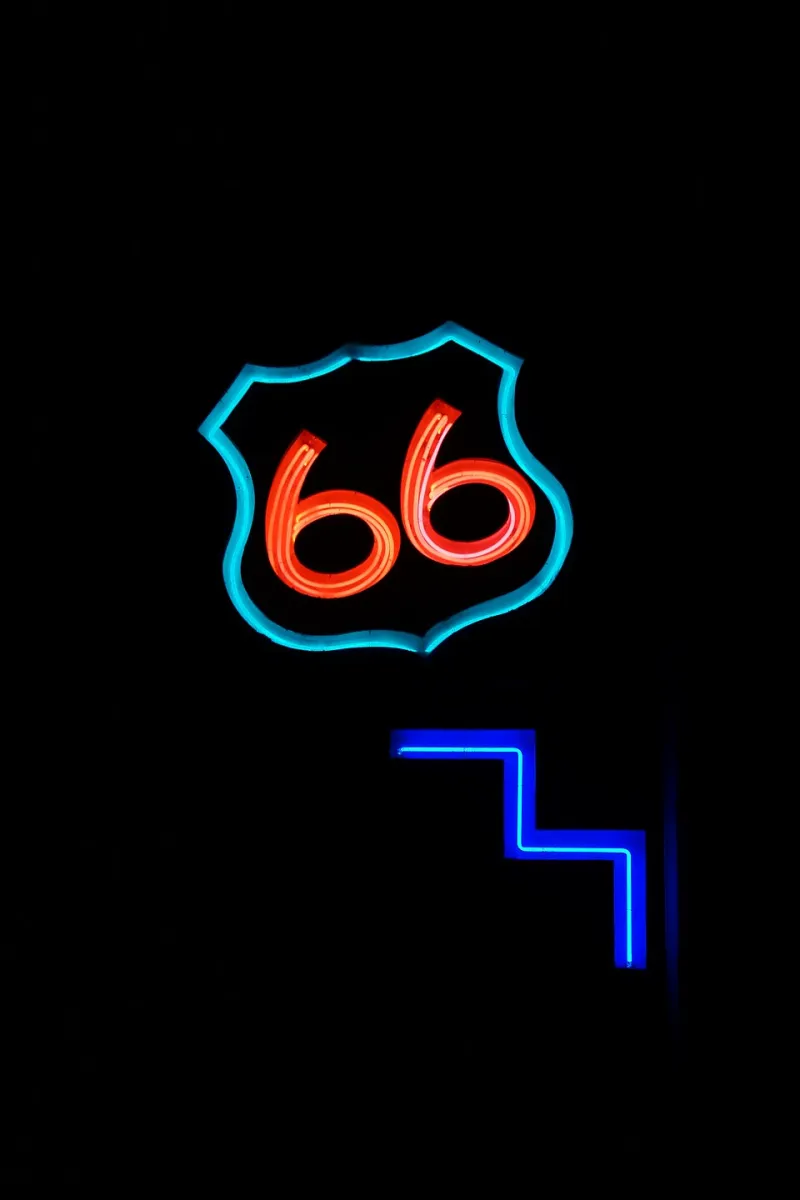
Photo: Chris English, CC BY-SA 3.0, via Wikimedia Commons
There is something profoundly American about the open road. The promise of forward motion, the dissolution of old identities, and the electric possibility of encountering someone entirely new at the next stop — these are not merely romantic abstractions. They are the lived experiences of millions who traveled Route 66, the legendary 2,448-mile corridor stretching from Chicago, Illinois, to Santa Monica, California. Long before platforms like KL Escort 66 emerged to facilitate adult connections across the nation, the highway itself was performing that function in its own raw, unmediated way.
The Highway as Social Architecture
Route 66, formally commissioned in 1926, was more than a feat of civil engineering. It was a social experiment on a continental scale. As Americans flooded westward during the Dust Bowl migrations of the 1930s and later the post-World War II economic boom, the highway became a crucible of human interaction. Travelers from vastly different backgrounds — Midwestern farmers, California dreamers, servicemen returning home, entertainers heading to Las Vegas — found themselves sharing the same diners, the same gas stations, and the same motels.
Those roadside establishments functioned as informal social hubs. The motel, in particular, occupied a unique cultural position. Unlike hotels in established cities, motels catered to transient guests who carried no social reputation from one stop to the next. This anonymity was liberating. It created a space where the usual social conventions could be loosened, where conversations with strangers could evolve into something more meaningful — or simply more intimate. The roadside motel was, in many respects, the original platform for adult connection: discreet, accessible, and geographically distributed across the entire country.
Neon Lights and the Architecture of Desire
The visual language of Route 66 was itself a kind of seduction. The neon signs that blazed along the highway after dark — advertising vacancy, cold beer, live entertainment — were designed to attract attention and promise pleasure. Towns like Amarillo, Texas; Flagstaff, Arizona; and Albuquerque, New Mexico, developed vibrant nightlife ecosystems precisely because they sat along this artery of constant human traffic.
Entertainment venues, cocktail lounges, and adult-oriented establishments proliferated in these waypoint cities throughout the mid-twentieth century. The economics were straightforward: a steady flow of travelers with money to spend and time to fill created reliable demand for companionship, entertainment, and connection. Local entrepreneurs responded accordingly. The geography of Route 66 essentially mapped the geography of adult leisure in mid-century America.
What is remarkable, in retrospect, is how sophisticated these informal networks were. Word of mouth traveled along the highway with remarkable efficiency. Truck drivers, in particular, served as nodes in an information network that spanned the continent, sharing knowledge about which establishments were reputable, which towns were welcoming, and where genuine connections could be found. This was, in essence, a pre-digital review system — human-powered, experiential, and surprisingly reliable.
The Interstate Disruption and the Retreat Indoors
The construction of the Interstate Highway System beginning in the late 1950s dealt a significant blow to Route 66's social ecosystem. As travelers bypassed the small towns and independent establishments in favor of faster, more efficient routes, the informal networks of connection that had flourished along the old highway began to fragment. Many of the motels, diners, and entertainment venues that had served as meeting points closed their doors.
However, the desire for connection did not diminish — it simply migrated. The latter decades of the twentieth century saw adult entertainment and companion services consolidate in urban centers, operating through classified advertisements, telephone directories, and eventually the earliest iterations of the internet. The spirit of the highway encounter — spontaneous, geographically fluid, and unburdened by the weight of established social networks — found new expression in these emerging formats.
Digital Highways and the Modern Era of Adult Connection
The internet, and subsequently the smartphone, completed a transformation that the Interstate Highway System had only begun. Today, platforms dedicated to adult connections have effectively recreated the distributed, accessible network that Route 66 once provided — but with considerably greater sophistication, safety, and reach. A traveler arriving in any American city can now access a curated directory of companion services, independent escorts, and adult entertainment options with the same ease that a mid-century motorist might have consulted a roadside billboard.
KL Escort 66 draws deliberate inspiration from this heritage. The "66" in the brand name is not incidental — it is a conscious acknowledgment of the highway's legacy as a facilitator of American connection. Just as Route 66 democratized travel and made the breadth of the country accessible to ordinary Americans, a well-designed adult services platform democratizes access to companionship and entertainment, connecting individuals across vast geographic distances.
The Enduring American Appetite for the New Encounter
What the history of Route 66 ultimately reveals is that the desire for connection with strangers — for the thrill of the new encounter, the conversation that might lead anywhere, the companionship of someone entirely outside one's usual social world — is not a modern phenomenon manufactured by technology. It is a deeply rooted American impulse, one that expressed itself through the culture of the open road long before digital platforms existed to facilitate it.
The travelers who stopped at a neon-lit motel in Gallup, New Mexico, in 1955 were animated by fundamentally the same desires as the individuals who navigate adult services directories today: the wish for genuine human contact, for pleasure, for the particular freedom that comes with being somewhere other than home. Understanding this continuity lends a certain dignity to the contemporary adult services landscape. It situates modern platforms not as aberrations, but as the latest expression of one of America's most enduring cultural drives.
For those who use platforms like KL Escort 66 to navigate adult connections across the United States, the spirit of the highway remains alive — not in chrome-trimmed diners and hand-painted signs, but in the digital architecture of a platform designed to make the country feel, once again, like a place where meaningful encounters are always just around the next bend.